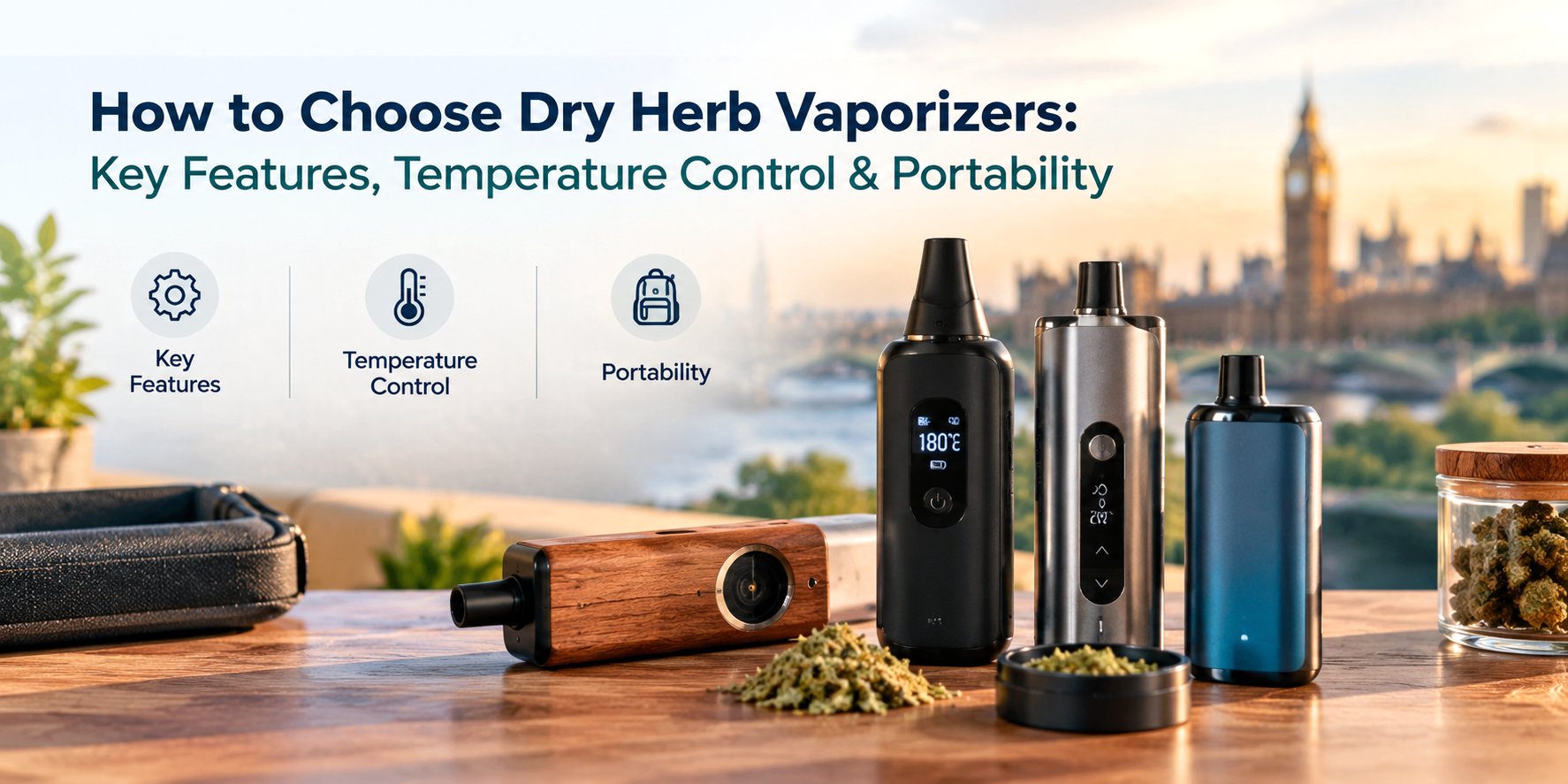
Choosing a dry herb vaporizer involves more than comparing device size or appearance. Heating technology, temperature settings, battery life, chamber capacity and cleaning requirements all affect how a device works and how convenient it is to maintain.
For consumers researching dry herb vaporizers, understanding these features can make it easier to compare devices and identify one that fits their preferences. Some models prioritize portability, while others focus on precise temperature adjustment, longer battery life or a more substantial design.
How Do Dry Herb Vaporizers Work?
Dry herb vaporizers use a heating chamber to warm dry botanical material. Unlike devices designed to burn material, vaporizers are intended to heat it without sustained combustion. The exact heating method and operating characteristics vary by device.
Most dry herb vaporizers use one of two heating systems: conduction or convection. Some combine both approaches.
Conduction Heating
Conduction devices transfer heat through direct contact between the material and a heated surface, such as the chamber walls.
This design can allow a device to reach its operating temperature relatively quickly. However, heat distribution depends on the chamber design, material contact and temperature regulation.
Convection Heating
Convection devices pass heated air through the chamber to transfer heat to the material. The design may support more even heat distribution, although results depend on the device's engineering and airflow.
Convection models can differ in warm-up time, power consumption and cleaning requirements. The heating method alone does not determine overall quality.
Hybrid Heating
Hybrid devices combine conduction and convection. Their performance depends on how the two systems work together, including temperature regulation, airflow and chamber construction.
When comparing devices, consider the complete heating system rather than assuming one method is always superior.
Key Features to Compare in Dry Herb Vaporizers
The best dry herb vaporizers for an individual are not necessarily the most expensive or feature-heavy models. The right choice depends on how the device is designed, how easy it is to maintain and which features matter most to the consumer.
1. Temperature Control
Temperature control determines how much flexibility a device provides over its heating range. Some vaporizers offer a few preset settings, while others allow more precise adjustments.
A device with adjustable temperature settings may appeal to who want greater control over the operating conditions. However, a larger number of settings does not automatically mean better performance.
Compare the manufacturer's stated temperature range, adjustment increments, display readability and temperature regulation. These details provide a more useful basis for comparison than the number of buttons or modes alone.
2. Heating Chamber Design
The chamber holds the dry material and plays a role in heat distribution, airflow and cleaning.
Check the chamber's material, capacity, shape and accessibility. A smaller chamber may contribute to a more compact device, while a larger chamber can affect the device's dimensions and material requirements.
The chamber should also be reasonably easy to inspect and clean. Residue buildup can affect airflow and make regular maintenance more difficult.
3. Battery Life and Charging
Battery performance matters when portability is a priority. A compact vaporizer may be convenient to carry, but a small battery can mean more frequent charging.
Compare the battery capacity where disclosed, charging connector, expected charging time and whether the battery is replaceable. Manufacturer estimates can vary with temperature settings, battery condition and usage patterns, so treat stated runtime as an estimate rather than a guarantee.
If the device will be carried away from a power source, charging convenience and battery reliability deserve particular attention.
4. Size and Portability
Portable devices are designed to be easier to carry than larger desktop units, but portability involves more than physical size.
Consider the device's weight, shape, protective cover or case, control placement and how safely it can be stored. A very small device may be easy to carry but could have a smaller chamber or fewer controls.
Also consider where the device will be stored and whether its design protects the chamber and mouthpiece from dust and accidental damage.
5. Build Quality and Materials
The materials used for the chamber, outer casing, mouthpiece and internal components can affect durability and maintenance.
Review manufacturer information about the materials that contact heated air or the botanical material. Look for clear product documentation and instructions for cleaning and safe operation.
Avoid choosing a device based on appearance alone. Clear specifications, a well-designed control layout and accessible maintenance instructions are more useful indicators of whether a model suits your needs.
6. Cleaning and Maintenance
Every dry herb vaporizer requires some level of maintenance. Residue can accumulate in the chamber, air path, screens and mouthpiece.
Before choosing a device, check whether the parts that require regular cleaning are accessible and whether the manufacturer provides specific cleaning instructions. Some designs may require more careful handling or more frequent cleaning than others.
7. Controls and Ease of Use
Controls should be understandable and easy to operate. Depending on the model, a device may have a simple button interface, a digital display, preset modes or more detailed adjustments.
Consider whether the instructions explain temperature selection, battery status, automatic shutoff and other functions clearly. Straightforward controls can make a device easier to manage without requiring unnecessary features.
Why Temperature Control Matters
Temperature control is one of the main differences between dry herb vaporizer models. Some offer a small selection of preset levels, while others allow consumer to adjust the setting across a broader range.
A useful comparison should cover three things:
- Adjustment range: The lowest and highest temperatures the device supports.
- Precision: Whether adjustments are made in fixed increments or through a few presets.
- Temperature regulation: How the device monitors and maintains its selected setting.
A digital display can make settings easier to read, but a display alone does not prove that a device maintains temperature accurately. Look for manufacturer documentation that explains the controls and heating system.
Battery condition, chamber design, airflow and ambient conditions may also affect operation. For that reason, temperature specifications should be considered alongside the device's other features.
Do Dry Herb Vaporizers Smell?
Dry herb vaporizers can produce a noticeable smell. Heating botanical material does not eliminate odor and the strength and persistence of the smell depend on the material, device design, temperature and surrounding conditions.
The smell may be different from the odor associated with burning material, but it should not be assumed to be absent.
Several factors can affect how noticeable the odor is:
- Material: Different botanical materials produce different aromas when heated.
- Temperature: Operating conditions can influence the compounds released into the air.
- Device design: Chamber construction and airflow can affect how vapor and odor leave the device.
- Residue: Material left in the chamber or air path may continue to produce an odor.
- Environment: Ventilation, room size and nearby fabrics can influence how long a smell remains noticeable.
Cleaning the device according to the manufacturer's instructions can help prevent residue buildup. However, no dry herb vaporizer should be treated as odor-free and using one indoors may still affect the surrounding environment.
Vapor is also not the same as harmless air. Inhaling aerosol from a vaporizer can expose a person to potentially harmful substances and the health risks depend on the material and device involved.
Portable vs. Desktop Dry Herb Vaporizers
Dry herb vaporizers generally fall into two broad categories: portable models and desktop models. Their designs suit different priorities.
Portable Vaporizers
Portable models are designed to be carried and stored more easily. They typically use an internal battery and combine the heating chamber, controls and power source in one unit.
Their advantages may include a compact design and less dependence on a fixed power supply. Trade-offs can include limited battery life, smaller chambers and the need to recharge the device.
Desktop Vaporizers
Desktop models are designed primarily for stationary use and commonly rely on an external power source. Depending on the design, they may offer a larger housing, different airflow arrangements or more substantial controls.
They are less convenient to carry, so they may not suit someone who prioritizes portability.
When comparing the two, focus on where the device will be stored, its power requirements, its size and the features that are genuinely useful. Neither category is automatically better for every consumer.
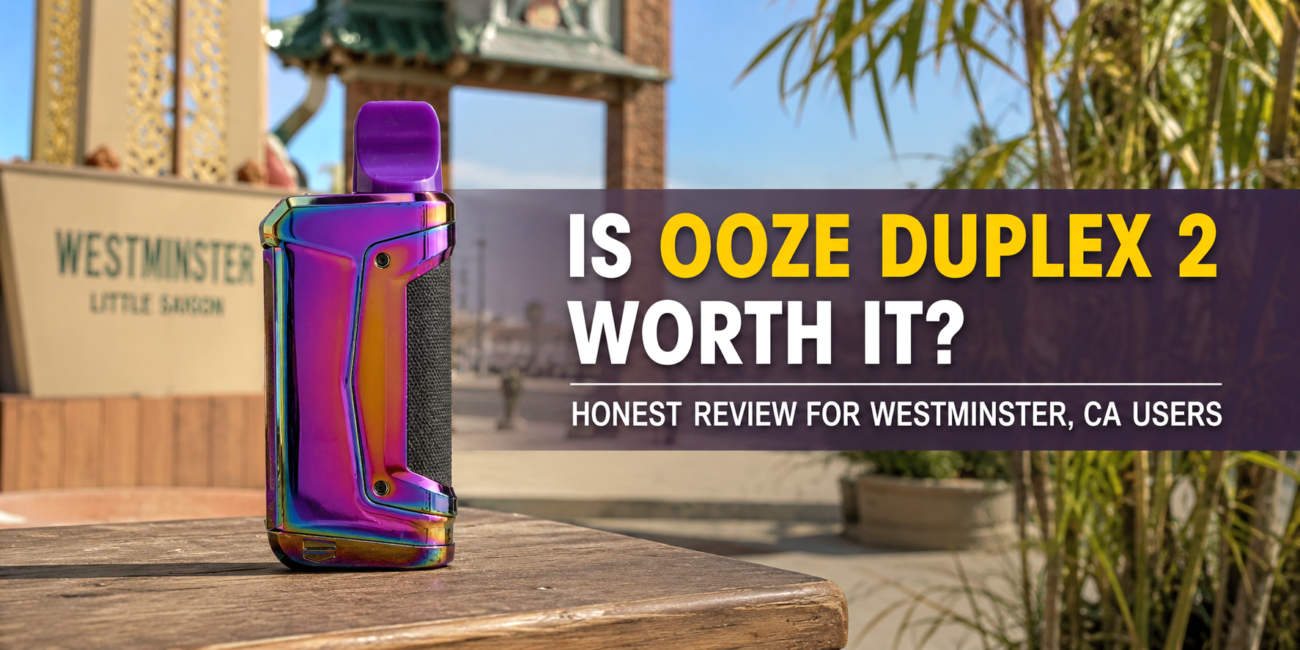
Is the Ooze Flare Dry Herb Vaporizer Worth Considering?
The Ooze Flare Dry Herb Vaporizer is a specific model name consumers may encounter when comparing dry herb devices. Before making a decision, verify its current specifications through the manufacturer or reliable product documentation.
Useful details to confirm include:
- The heating method and supported temperature range.
- Battery capacity, charging method and stated runtime.
- Chamber materials and capacity.
- Device dimensions and portability.
- Cleaning instructions and replacement-part availability.
- Safety information, warranty terms and manufacturer support.
Where to Find Dry Herb Vaporizers Near You
Consumers searching for dry herb vaporizers near me may want to compare local retailers based on product information, device categories, support and access to manufacturer specifications.
When evaluating a store, consider whether it can provide clear information about the device's heating system, temperature controls, battery, cleaning requirements and warranty. If a particular model matters to you, confirm its availability and specifications directly with the retailer.
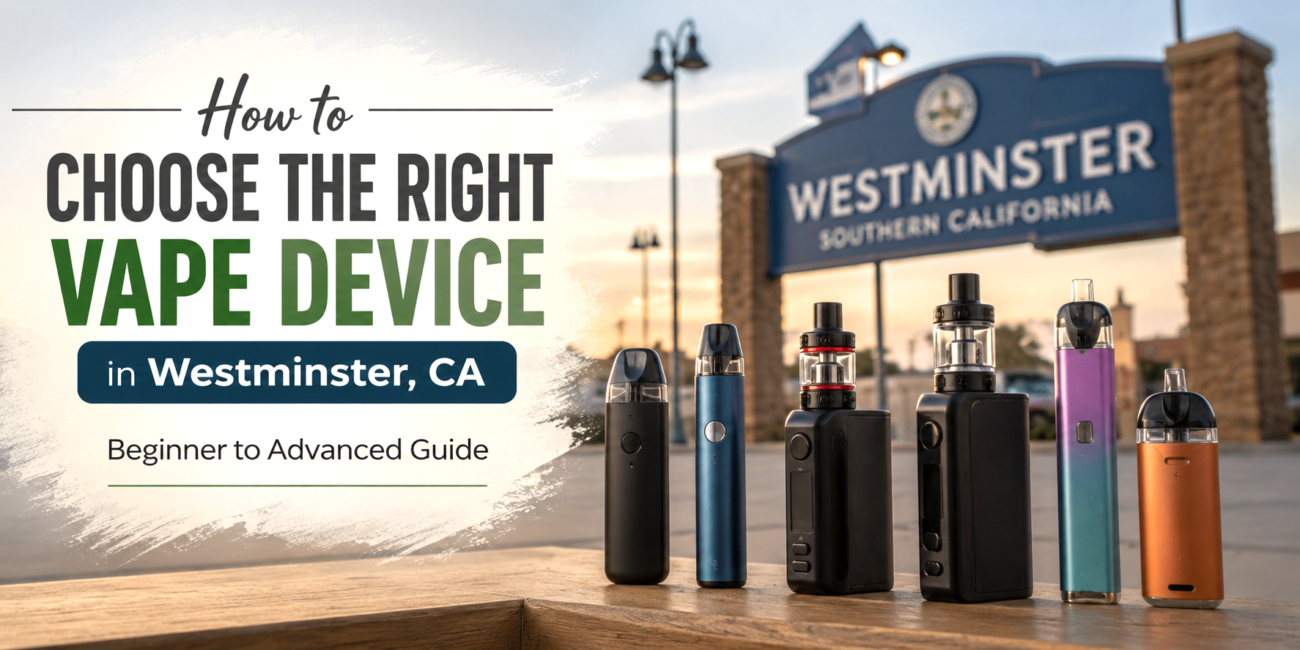
Consumers searching for the Best vape devices shop in Westminster California can use these criteria to assess local stores. For consumers in Westminster, choosing a local retailer can also make it easier to review product information and compare available options. Chillbazzar offers a local place to explore disposable vape products.
Final Thoughts
Choosing among dry herb vaporizers becomes easier when you compare the features that affect everyday use: heating method, temperature control, battery life, portability, build materials and cleaning requirements.
A device with more settings is not automatically a better fit and a compact model may involve trade-offs in battery capacity or chamber size. Check manufacturer specifications, understand the device's maintenance needs and avoid if vaporization eliminates odor or health risks.
Frequently Asked Questions
1. What should I look for when choosing a dry herb vaporizer?
Compare the heating method, temperature controls, battery performance, chamber design, portability, cleaning requirements and manufacturer support. Prioritize the features that fit your needs instead of choosing solely by price or appearance.
2. Are portable dry herb vaporizers better than desktop models?
Portable models are easier to carry and generally use an internal battery. Desktop models are designed for stationary use and commonly rely on external power. The better choice depends on the intended setting, size preferences and power requirements.
3. Why does temperature control matter in a dry herb vaporizer?
Temperature controls let consumers select the device's operating temperature within its supported range. The precision and consistency of that control depend on the device's design, so compare the stated range and regulation features rather than relying on the number of settings alone.
4. How often should a dry herb vaporizer be cleaned?
Cleaning frequency depends on the device and how it is used. Pay attention to residue in the chamber, mouthpiece and air path.
5. Can I carry a dry herb vaporizer in a bag?
Many portable models are designed to be carried, but the device should be stored according to its instructions. Allow it to cool as directed, protect the mouthpiece and chamber.